Managing deskless teams comes with unique challenges, especially when they lack the right technology for the job. While corporate employees rely on Slack, Teams, or company email, more than 80% of the world's workforce operates out in the field, on factory floors, or behind registers. Most don't have corporate email addresses, let alone company-issued devices.
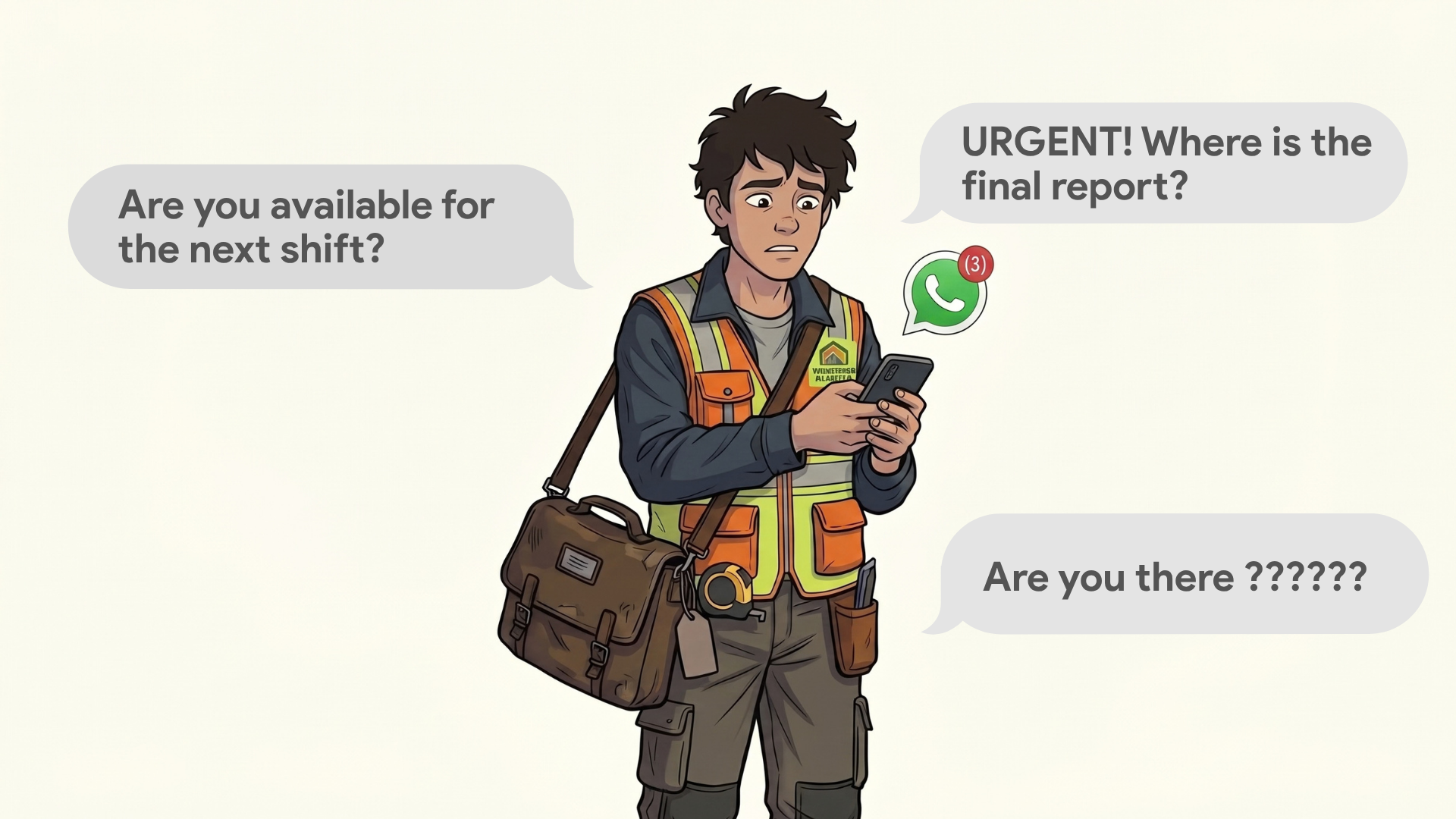
To bridge the gap, line managers often rely on personal text messages or informal group chats. But while that might solve today's communication headache, it creates a much bigger legal nightmare tomorrow: unpaid overtime claims, wage-and-hour disputes, and clear violations of emerging Right to Disconnect laws.
So how do you keep your frontline informed without opening up your business to serious liability? The short answer: move away from unmanaged personal channels and switch to secure, shift-aligned communication tools.
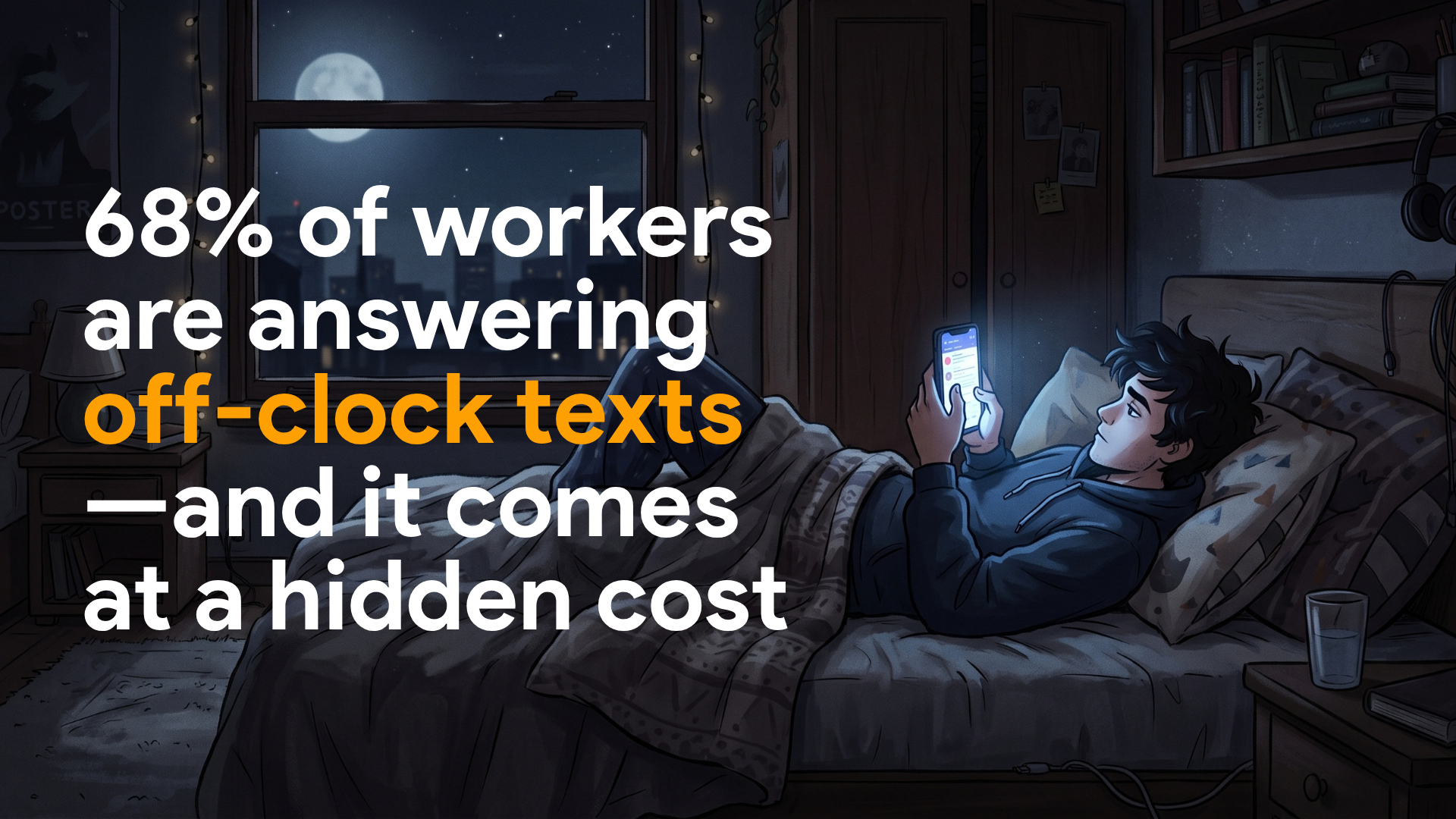
When managers text hourly workers on personal apps after hours, the line between work and personal life fades quickly. According to the 2024 State of Deskless Work Report, 68% of deskless and hourly workers report feeling pressured to respond to work-related messages outside of their scheduled shifts, turning quick "can you cover tomorrow?" texts into ongoing strain that frequently triggers wage disputes and overtime violations.
In Ontario—often used as a benchmark because it was among the first major Canadian jurisdictions to enact Right to Disconnect legislation and provides transparent, robust enforcement data—employers owed workers roughly $60 million in unpaid wages in 2024 in the retail, restaurants & hospitality, cleaning, and security sectors. (Ontario Ministry of Labour, Immigration, Training and Skills Development Employment Standards Enforcement Data), and class-action lawsuits over off-the-clock digital messaging have created liabilities for tens of thousands of frontline employees. Landmark cases like Fresco v. CIBC established widespread financial liability toward roughly 31,000 frontline branch staff for unpaid overtime stemming from off-the-clock tasks and communications.
On the other hand, regulatory enforcement is tightening rapidly: penalties under programs like the Temporary Foreign Worker Program doubled to $10.2 million in FY2025–26 (Employment and Social Development Canada Compliance and Enforcement Report). Fines can reach up to $1 million per employer per year, accompanied by public naming and bans lasting up to 10 years. The hardest-hit sectors include agriculture, seafood and food processing, restaurants, and trucking.
Beyond legal risks, constant off-duty interruptions wear staff down. When workers can't truly log off, alert fatigue and burnout inevitably follow—leading to high turnover in roles that are already hard to fill.
Then there's the paper trail problem. Chat apps offer zero enterprise visibility. If safety procedures or critical policy updates are sent via group text, leadership has no reliable way to verify who actually received or read them.
Fixing frontline communication doesn't mean stopping it altogether. It just means choosing tools built specifically for shift work. Modern HR and IT leaders focus on three core capabilities:
Putting these principles into action requires a solution designed specifically to bridge operational needs with regulatory compliance. That's where InfoBox comes in.
InfoBox gives deskless employees a single, secure place to get company news and shift updates—without exposing your business to off-the-clock labor claims.
1. Works for anyone, on any platform: InfoBox lets staff log in seamlessly using personal emails or single sign-on options, giving mobile-first teams direct access to what they need without costly software licenses.
2. Smart, shift-aligned notifications: Stop sending late-night group blasts. Urgent emergency alerts go out right away, but routine announcements are held and queued until an employee's next scheduled shift begins.
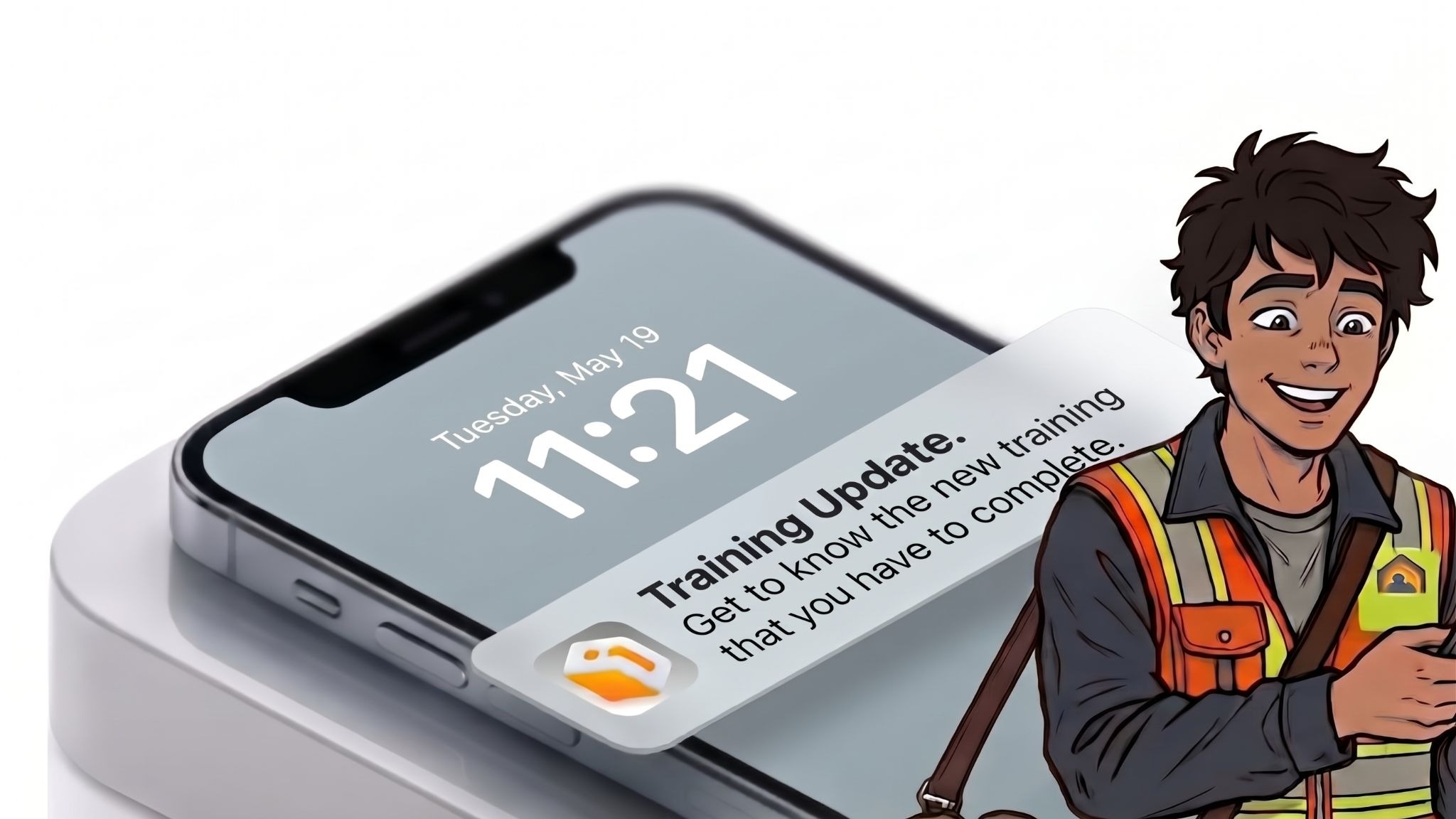
3. Precise audience targeting: By grouping employees by department, site location, or position, you can ensure message notifications reach only the people who need them—cutting clutter and preventing notification burnout.
4. Audit-ready compliance logs: Built-in reporting tracks message publication, delivery, and user acknowledgments. You get instant verification that critical safety protocols and updates were received across every location—creating a solid record for HR and compliance audits.
You don't have to choose between keeping employees informed and protecting your business from labor liability. InfoBox gives deskless teams the flexible, mobile-first communication they want while giving management the guardrails and compliance tracking they need.
Want to see how it works in practice? Schedule a live demo or drop us a line at contact@infobox.info to chat with our team.